Xeneta for Oil & Energy
The Freight That Keeps Energy Running Has a Live Market.
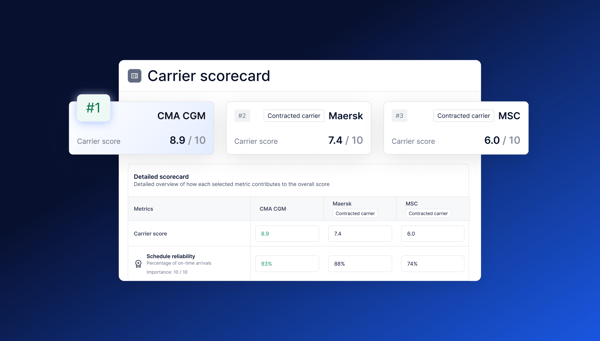
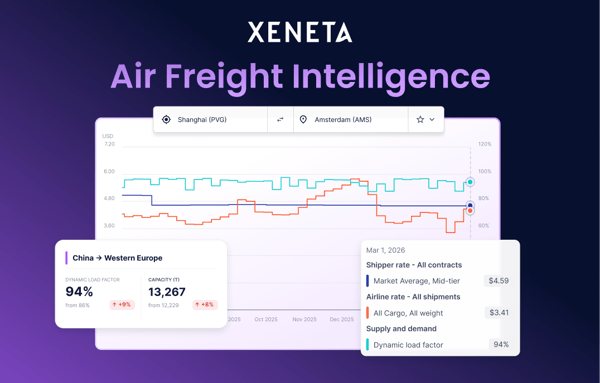
Containers of parts, equipment and materials into operating sites. Air lanes for the shipments that can't wait. Xeneta benchmarks those flows from real contracts — rates, the full surcharge stack, and carrier reliability — so none of that spend runs on a carrier's word alone.

Trusted by the world's oil & energy shippers
The CHallenge
Surcharges arrive as announcements, not conversations
Capital is disciplined, the installed base is ageing past design life, and MRO (maintenance, repair, and overhaul) spend keeps rising — so the recurring freight underneath it gets watched harder than ever.
On long-haul and Middle East lanes especially, war-risk and fuel charges land as faits accomplis, and the same emergency charge can range from $150 to $600 a container depending on who's billing it.
When we shift to air mode to reduce operational downtime, there is no way of knowing if the quoted spot rate was market rate or not.
Ageing infrastructure needs more parts, more often. Benchmark the container lanes and critical-parts air routes that keep sites running, and validate every surcharge on long-haul and Middle East corridors.
Comparing notes with peers to sanity-check a surcharge is exactly the right instinct. Xeneta is that check at scale — every shipper, every lane, refreshed continuously — so the next 'non-negotiable' rate meets a number it has to answer to.
Why Xeneta
Built for the freight that never stops
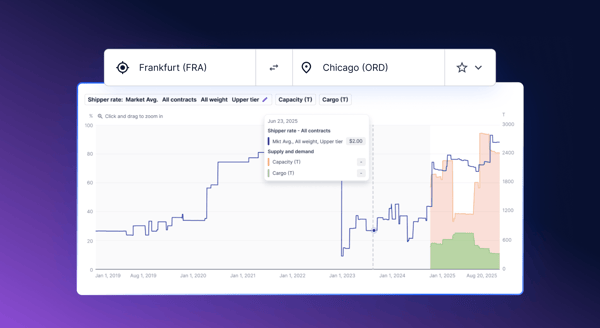
Xeneta benchmarks your recurring flows from real contracts: containerised MRO, spares and consumables on the ocean side, and the air lanes critical parts fly on. Rates, the full surcharge stack — BAF, ETS, war-risk — and carrier reliability on the lanes feeding your sites. Project cargo is out of scope, and we'll tell you that up front.
800m+
170k+
70k+
Use cases
What food & beverage shippers can do with Xeneta
Optimize your supply chain strategy with real-time market data that helps you secure reliable ocean and air freight capacity, avoid risking delays, and keep products moving on time.
Find out more about our solutions
One platform, two modes. Discover all you need to know about our Ocean and Air offering.
Ocean
Air
Frequently asked questions
Most of our logistics is project cargo. Can Xeneta benchmark that?
Project cargo sits outside our benchmarks.
Drilling equipment, subsea modules, turbines and oversized units move as breakbulk and heavy-lift, quoted per shipment, and no general benchmark prices that well. That's the nature of the cargo.
What we benchmark is the other pile: your recurring containerised MRO, spares and consumables, and the air you fly for critical parts. We qualify that split with you first, and if your spend is mostly project logistics, we'll say the fit is limited.
How does Xeneta help when a carrier announces a surcharge and calls it non-negotiable?
When a charge can be published and simply applied, the only real check is knowing what other shippers on the same lane are actually paying. Xeneta gives you that two ways.
The data: a live benchmark built from real contracts, so a surcharge that's out of line becomes something to push back on with evidence — and one that's genuinely market-wide becomes something to accept without burning goodwill on a fight that wasn't winnable.
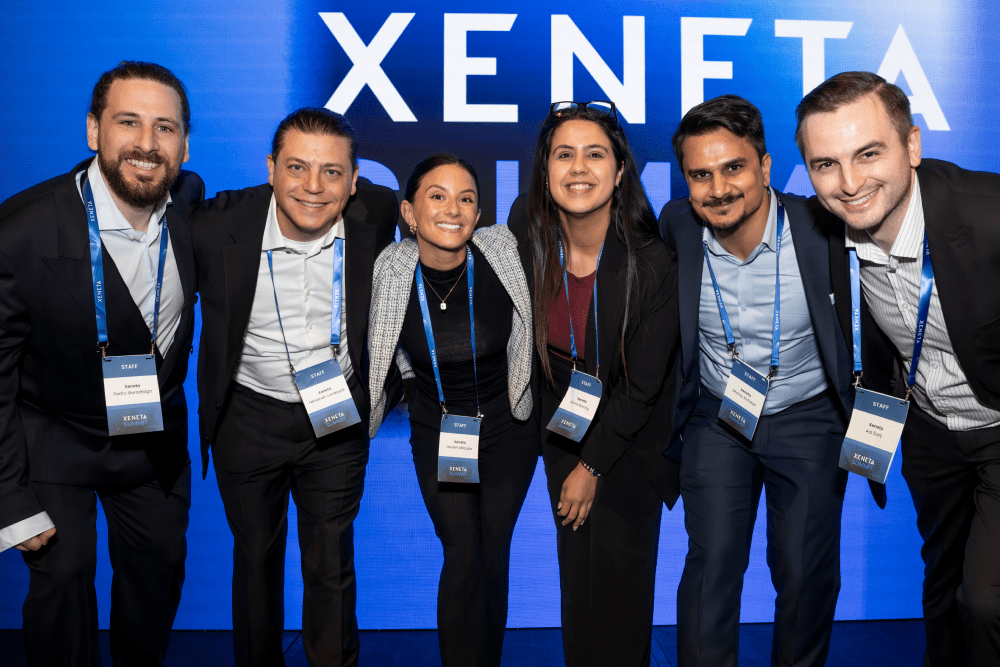
The people: Xeneta customers are part of a peer community that meets at market-driven roundtables to compare notes on exactly these charges — at one recent session, shippers found the same emergency surcharge ranging from $150 to $600 per container depending on who was billing it. Alongside the roundtables, customers get exclusive market reports and monthly customer-only webinars with Xeneta's analysts, so when a new charge lands, the context for it is usually already in your inbox.
Either way, you're deciding — not just trusting the carrier's math.
Our critical-parts air is urgent and unpredictable. How does a benchmark help?
It doesn't remove the urgency — nothing should slow down a response when a facility risks downtime. What it changes is what happens afterward: you can see whether the rate paid was in line with the market on that lane, hold your forwarder to account on the routes you use most, and give Finance an explanation for the variance. Over a year of emergencies, that's the difference between a write-off and a managed cost line.
We get freight data from our forwarder or energy-logistics provider. Why pay for a benchmark?
Because those numbers come from the party you're negotiating with — accurate or not, you have no independent way to know. Xeneta is built from real shipper and forwarder contracts, carrier-independent, so you negotiate your MRO ocean and air from the same view as your counterparty rather than their narrative.
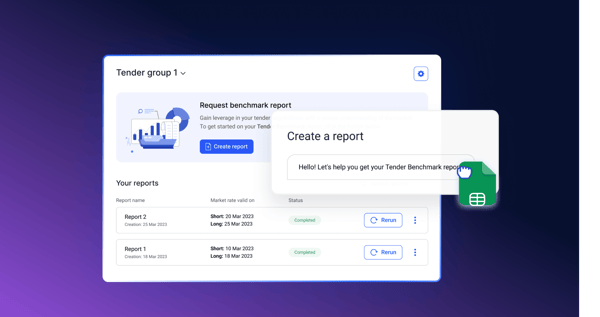
As David Lenaers, Global Director of Logistics Sourcing at Stanley Black & Decker, noted; “The cool thing now is that we can automatically download historical rates, compare them with Xeneta’s market trends, and use that to negotiate more effectively during tenders. It’s an easy and efficient process that’s led to us signing contracts 20% faster than before."
Freight for maintenance and spares is buried in a huge indirect portfolio. Where do we even start?
With the lanes, not the whole portfolio. A pre-purchase lane analysis compares your contracted rates against live benchmarks on a representative sample of MRO and air lanes, so you see exactly where the market has moved against your rates before committing to anything. Teams typically surface savings worth several multiples of the subscription from an air-lane correction or a tightened MRO tender — which gives the freight category the same auditable evidence you demand from every other indirect line.