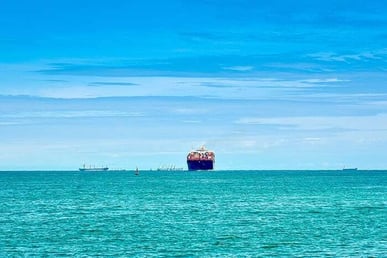


Escalating conflict in the Middle East is creating immediate uncertainty for supply chains, with vessel movements changing by the hour and shippers left managing cargo that may no longer reach its intended ports.
This on-demand Xeneta analyst briefing breaks down what is happening and what it means in practice. It covers three near-term pressure points: containers already on the water, diversions and port disruption across the Arabian Gulf region, and the knock-on effects for congestion at key transshipment hubs. It also looks at early freight rate signals, how renewed risk in the Red Sea could influence capacity and pricing, and what to watch as the situation evolves.
Beyond the immediate response, the session outlines procurement considerations that can help build resilience through volatility, including using carrier performance data to support decisions and reducing the operational drag of constant re-quoting through index-linked approaches.
The slide deck referenced in the video is available here for anyone who wants to dig into the data in more detail.
Note: escalation in conflict is also having a severe impact on air freight. This will be addressed in the next Xeneta Analyst update.
Market conditions are shifting fast. Get the visibility to assess risk early and act with confidence.
When conditions change fast, decisions need to keep up. Learn how Xeneta supports risk management with real-time market intelligence so teams can monitor volatility, assess impact, and respond with confidence.