Air Freight
Outlook Update
Six months into 2026, Xeneta revisits the Air Outlook 2026 — published in December — to understand how the first half of the year has played out and how it is most likely to evolve.
It turned out to be a stronger-than-anticipated start to the year for air freight — and then everything changed on 28 February with escalation of the US/Israel–Iran conflict.
This mid-year update will explain how the forecast has been impacted by the Middle East conflict, but there are also other important sub-plots to consider. Cooling e-commerce demand and accelerating AI-driven demand growth are both shaping the market and are covered in this report.
All these factors play into the fundamentals of demand, supply and rates, and it remains a highly complex global picture – but it is one the Xeneta Air Outlook Mid-Year Update will help to translate.


+3pp year-on-year
This mid-year update carries Xeneta's full six-month analysis: what changed since October, why it changed, and what to watch through the rest of 2026.
A few of the underlying charts and the complete analyst commentary are reserved for Xeneta customers, who track this data live all year. Everywhere you see that, we've kept a summary in place so you're not left guessing.
If something here raises a question, send it our way — no meeting required. And if you're heading into a tender or a major negotiation, Xeneta Advisory pairs our analysts directly with your team to work through it.
How the first half of 2026 changed the picture
Xeneta published the Air Freight Outlook 2026 in December 2025. Here is where each of the seven themes stands at the mid-year mark.
Global Demand
The dynamic load factor rose 3 percentage points to 62% — Xeneta's measure of capacity utilisation based on volume and weight alongside available capacity.
Xeneta Air Intelligence — June 2026Demand forecast to grow 2–3% in 2026. A slowing world economy will dampen growth, with wide differences across corridors.
Demand has proved more resilient than forecast through the first six months of 2026 – up 4% year-on-year while supply grew just +1%. General demand still looks likely to slow in the second half as the global economy cools. Demand forecast to grow the higher end of 2–3% in 2026.
The Xeneta Air Outlook 2026 published in December expected modest, uneven growth tied to GDP. The first six months of 2026 told a more turbulent story: demand swung from +6–7% year-on-year in January and February to –3% in March, then recovered to +3% in April and May. +4% in June. The early volatility owed largely to the Middle East conflict (see Theme 7).
Taken together, global air cargo demand grew 4% year-on-year (to end-June) well ahead of supply and lifting the dynamic load factor three percentage points to 62%.
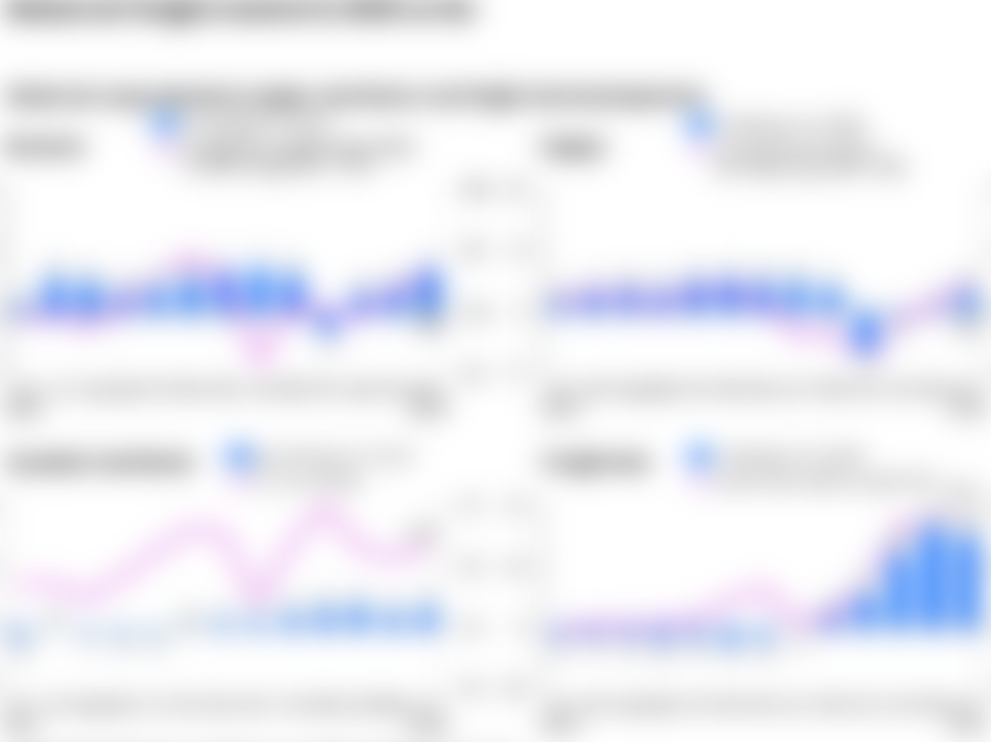
The original premise of the 2026 Outlook has not gone away. The IMF's latest forecast, published in April 2026, puts global GDP growth at 3.1% for the year – trimmed from its January 2026 projection and down from 3.4% in 2025.
As the economy cools, general air cargo demand, as distinct from AI-driven and conflict-related volumes, looks likely to slow in the second half of 2026. The softness is already visible at corridor level: Europe–North America demand grew just mid-2% year-on-year over the year to date, well behind the global figure.
Balancing the resilient first half against the expected H2 slowdown, Xeneta now sees full-year 2026 demand growth towards the higher end of 3% — above the 2–3% expected in December.
E-Commerce
When France brought a parcel levy forward early, small-parcel volumes fell sharply through its main hub and rerouted to neighbouring countries — a preview of what a clumsy EU-wide rollout could cause.
Xeneta Air Intelligence — June 2026E-commerce will face a more regulated landscape, with volumes still growing but at a slower pace than 2025 — and faster than the general air freight market.
B2C e-commerce has stalled and declined as de-minimis exemptions are removed. The sector is adapting quickly, but the growth engine has paused.
China's low-value and e-commerce exports fell 7% year-on-year in May, a sixth consecutive monthly decline (December -9%, January -4%, February -4%, March -9%, April -11%, May -7%). The picture is uneven by destination: shipments to Europe fell -15% and those to Asia Pacific -4%, while flows to the United States rebounded +26%, but volumes remain below the levels prior to the de minimis exemption ban.
For air freight, the B2C e-commerce growth engine has stalled – though part of the apparent decline reflects a shift out of individual B2C parcels into bulk, consolidated air freight shipments that fall outside the e-commerce parcel data, rather than volumes simply disappearing.
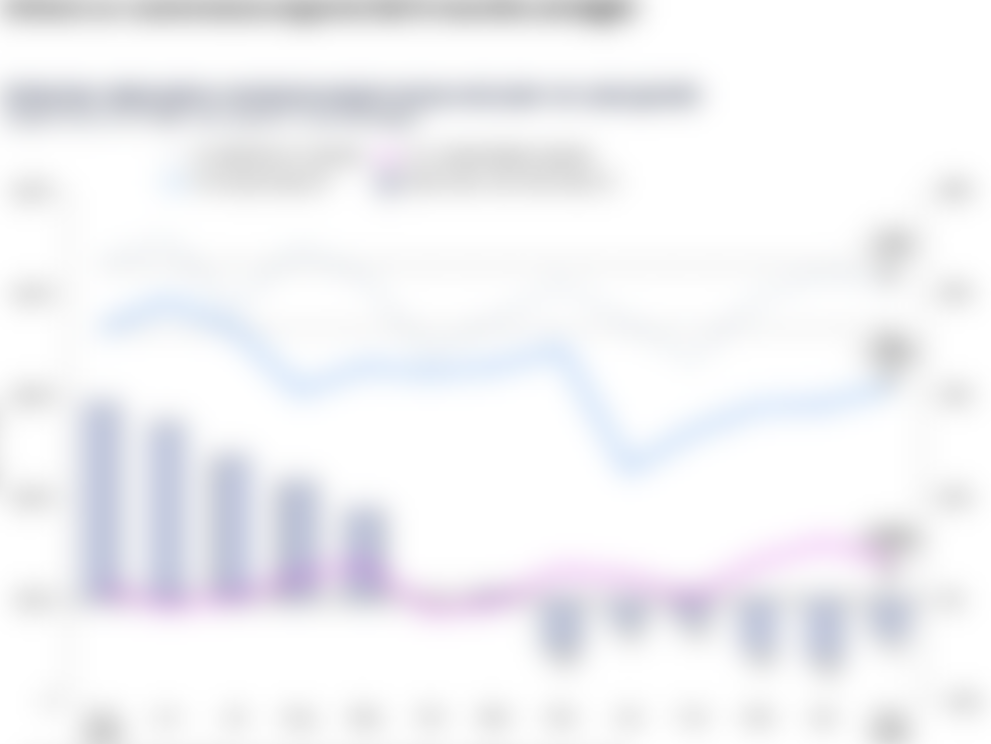
The regulatory tightening the 2026 Air Outlook report anticipated when published in December now has a firm timetable. From 1 July the EU scraps its €150 de-minimis exemption, replacing it with a flat €3 duty per item from outside the bloc, with a further €2 handling fee expected around November. This is aimed squarely at the fast-fashion parcels of Shein, Temu and AliExpress.
The Outlook Report in December had assumed a €2 consumer fee and a rollout slipping to 2028; the reality is sooner, blunter and more expensive. Early national moves hint at the disruption a clumsy rollout could cause in the EU. For example, when France brought a parcel levy forward, small-parcel volumes fell sharply through its main hub and rerouted to neighbouring countries. Integrators have cautioned that some of the reform's technical and data requirements may be hard to implement in time, raising the risk of parcels held at borders.
Xeneta expects the sector to adapt rather than rupture. EU e-commerce is not expected to fall away massively, but to keep flowing and reshape around the new rules, much as platforms did after the US de-minimis shock by opening new routings within weeks.
Mode Shift
Lines such as MSC and Maersk, which had signalled a return to the Red Sea and Suez Canal, shelved those plans following escalation in the Middle East and reverted to longer Cape of Good Hope sailings.
Xeneta Air Intelligence — June 2026Easing pressure in ocean container shipping will drive a mode shift back to ocean, with air cargo reserved for shocks rather than routine shipments.
The premise has reversed. Ocean is disrupted again — pressure is building rather than easing — and the expected air-to-ocean shift has stalled entirely.
The Air Outlook Report in December assumed ocean reliability would improve and pull routine volumes off air. Instead, the Strait of Hormuz crisis reversed carriers' earlier plans to bring container shipping back through the Red Sea. Lines such as MSC and Maersk, which had signalled a return to the Red Sea and Suez Canal, shelved those plans in the wake of escalation of conflict in the Middle East and reverted to the longer sailings around Cape of Good Hope which have been absorbing container shipping capacity.
As a result, the volumes expected to migrate from air back to ocean have not moved. With sea transit still lengthened by the Red Sea diversions and schedules unreliable, the anticipated air-to-ocean shift is on hold for as long as the ocean disruption continues.
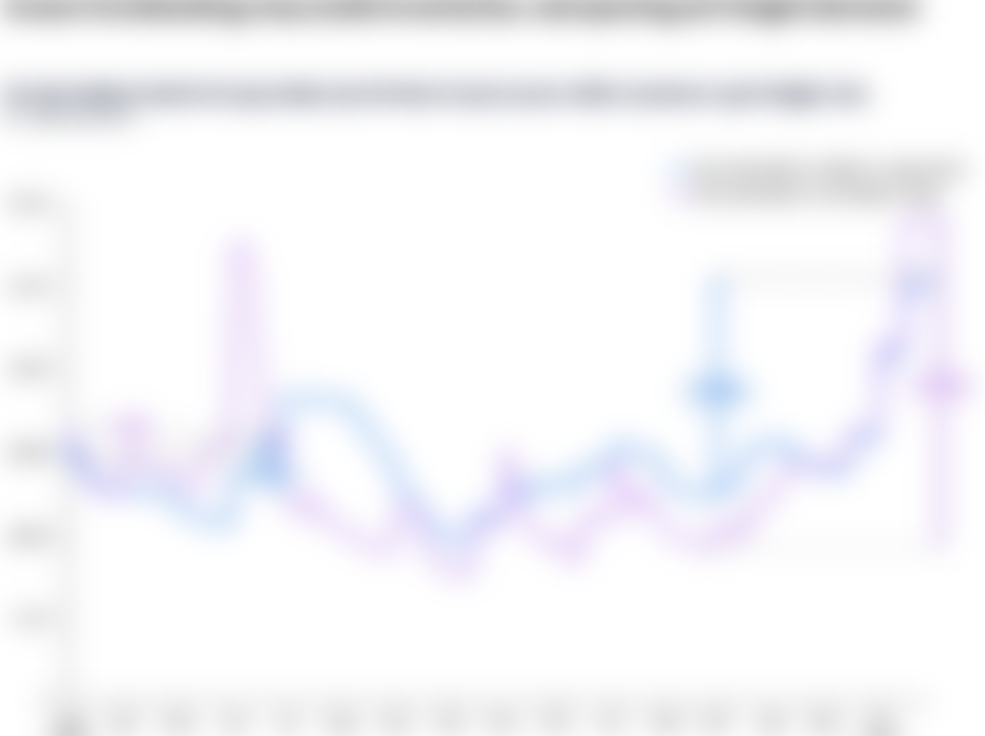
There is a further twist for the second half of 2026. Frontloading on the ocean side – as shippers order early to get ahead of potential energy cost increases – is pushing ocean freight rates up (Transpacific trade from Far East to US West Coast was up more than 200% by the end of June compared to pre-Middle East conflict at the end of February).
Together with low ocean schedule reliability, this makes air relatively more appealing and, for now, keeps volumes from shifting back to ocean. However, the same frontloading is building up inventories – if consumer sentiment weakens later in the year as the economy cools, those elevated stocks could leave less to ship and dampen air freight demand during the Q4 peak season.
With a US–Iran peace deal now likely to bring the war to a close, time-critical cargo looks set to shift temporarily from ocean to air, alongside continued humanitarian flows, as port congestion persists. Ocean carriers are expected to remain hesitant to return to the Red Sea, prolonging pressure on alternative routings.
AI-Driven Demand
Industry voices increasingly describe 'hyperscale AI' hardware as the single biggest growth engine for air freight in 2026 and beyond — though the effect is concentrated on specific corridors rather than global headline figures.
Xeneta Air Intelligence — June 2026AI-related demand — semiconductors, servers and high-value hardware — will become a major engine of air cargo growth in 2026.
The AI demand story is intact and is the clearest driver of Transpacific strength. The December 2026 Outlook holds — AI remains a major engine of demand growth.
Semiconductor and AI-hardware demand has seen exceptional growth in 2026. In April, the World Semiconductor Trade Statistics (WSTS) reported that global semiconductor sales more than doubled year-on-year — the strongest growth since its records began in 1986. And it made the Transpacific corridor the year's strongest, even as China–US volumes weakened under tariffs. Industry voices increasingly describe 'hyperscale AI' hardware as the single biggest growth engine for air freight in 2026 and beyond. Wider evidence reinforces the trend: Taiwan, which manufactures the majority of the world's advanced chips, recorded real GDP growth of +15% in the first quarter of 2026 — its fastest quarterly expansion in almost five decades — while in South Korea the two largest chipmakers now account for more than half the entire value of the Seoul stock exchange.
AI-related goods still account for below 10% of air cargo volumes, so the effect is concentrated on specific corridors rather than the global headline figures. However, that context does not change the core theme, with Xeneta's Outlook for 2026 holding to its December forecast that AI investment remains a major engine of air cargo demand growth into 2026 and beyond, driven by high-value, time-sensitive semiconductor and hardware shipments.
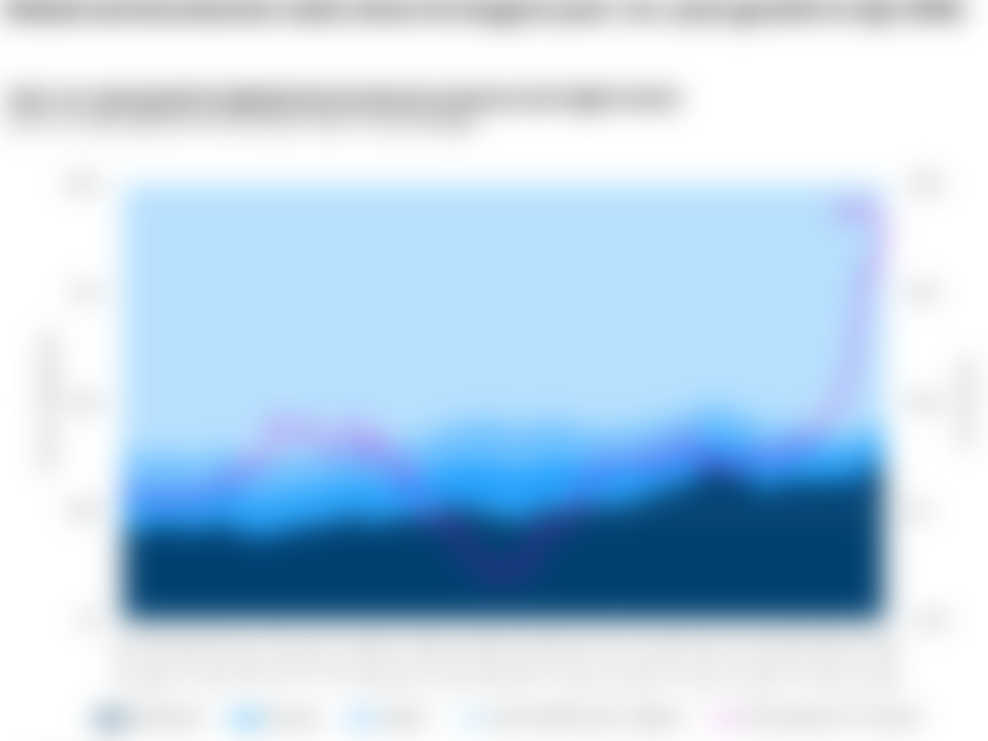
A caution was also included in the December outlook, which must also be repeated — the boom is not guaranteed. A bursting of the potential AI bubble would have systemic implications, and while investment in AI shows little sign of fading yet, it could turn with little warning – something forwarders and airlines should keep a close watch on.
Capacity
Before the escalation of conflict in January and February, air freight capacity had been expanding at a faster pace of 6% year-on-year. The recovery of capacity around the Gulf air cargo hubs is now under way, lifting supply growth to +3% in June.
Xeneta Air Intelligence — June 2026Air cargo capacity growth (3–4%) will exceed demand growth (2–3%), creating oversupply and yield pressure across the market in 2026.
The forecast did not hold. Xeneta now sees 2026 capacity growth towards the lower end of 2–3% and demand towards the higher end of 3%, narrowing the expected gap.
The December forecast was capacity growing 3–4% against demand growth of 2–3%. The first six months delivered the reverse.
Global air cargo demand grew nearly 4% year-on-year – on par with its 4% annual growth in 2025 and a sign of how resilient air freight demand has been. At the same time, supply increased just 1% over the first half, severely impacted by the Iran war, before recovering to +3% in June as Gulf capacity returned. Before the escalation of conflict in January and February, air freight capacity had been expanding at a faster pace of 6%.
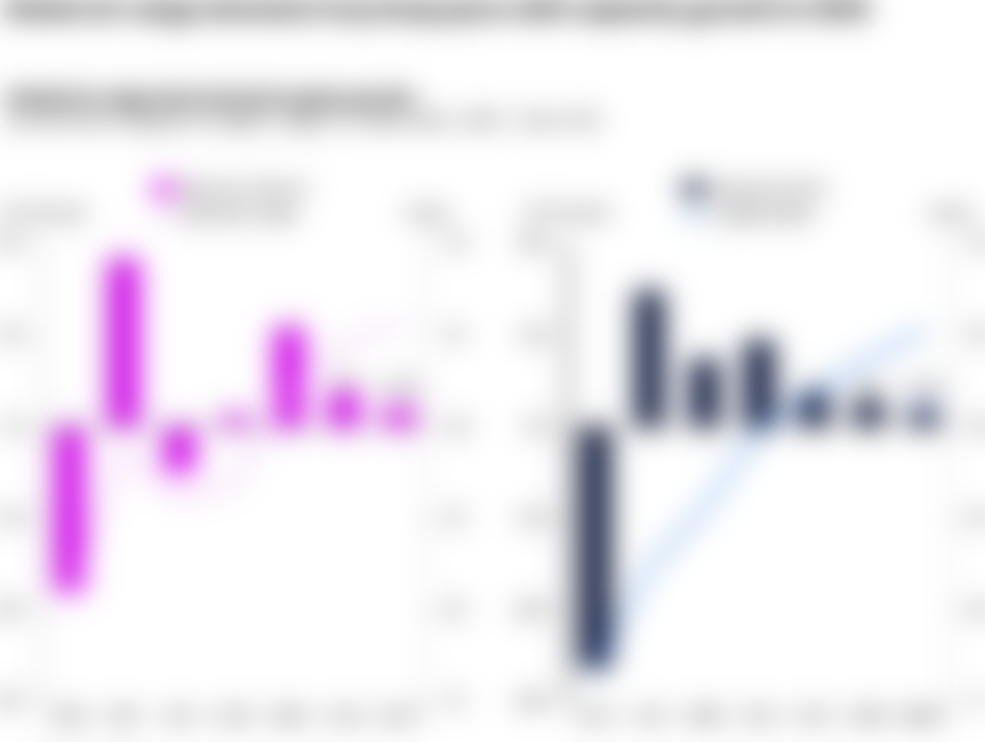
The full recovery of capacity around the Gulf air cargo hubs takes time despite planes being back in the sky a short time after the initial shock and escalation of war. With the conflict lingering, Xeneta now expects global air cargo capacity to grow towards the lower end of a 2–3% range in 2026, rather than the 3–4% expected last December. Even as the conflict winds down, passenger travel – and the belly capacity it carries – may be slow to recover, as low passenger confidence and the memory of recent war deter flying through what was a conflict zone.
Demand looks more resilient than expected, supported by AI-related shipments and still-substantial e-commerce volumes. Renewed concern over slow global GDP growth points to a muted traditional general-cargo market, but on balance Xeneta sees full-year demand growth towards the higher end of 3%.
The upshot is that the oversupply and yield pressure the report anticipated are far less assured. For 2026, demand may keep pace with, or even outgrow, capacity.
Shipper freight rates
In Q2 2026, forwarders are procuring 49% of air freight volumes on the spot market — nearing their 50% levels during the pandemic high. Many shippers are postponing 2026 contract negotiations until conditions settle.
Xeneta Air Intelligence — June 2026Shipper long-term freight rates will fall 5–10% in 2026, with inflation-adjusted rates already back at 2019 levels and airlines shifting toward dynamic pricing.
Shipper freight rates expect to increase +5% to 15% year-on-year.
On a year-to-date basis to the end of June, global air cargo rates – spot and long-term combined – rose 17% year-on-year, with spot rates up 22% and long-term (seasonal) rates up 11%. That has taken December's outlook of shipper rates to fall 5–10% off the table, at least so far. Only in January did air cargo (spot and long-term combined) fall year-on-year, by -3%.
Unanticipated events have once again upset the earlier forecast – this time the escalation of war in the Middle East. But as the market adapts to the impact of conflict – and with a US-Iran peace deal announced on 14 June now likely bringing it to a close – the pace of rate growth is easing: global spot rates rose +38% year-on-year in June to USD 3.40 per kg, down from +41% in May. Long-term rates, which reflect considered, forward-looking pricing, peaked at the end of April and have been easing since in a sign the market already treats the peak as passed.
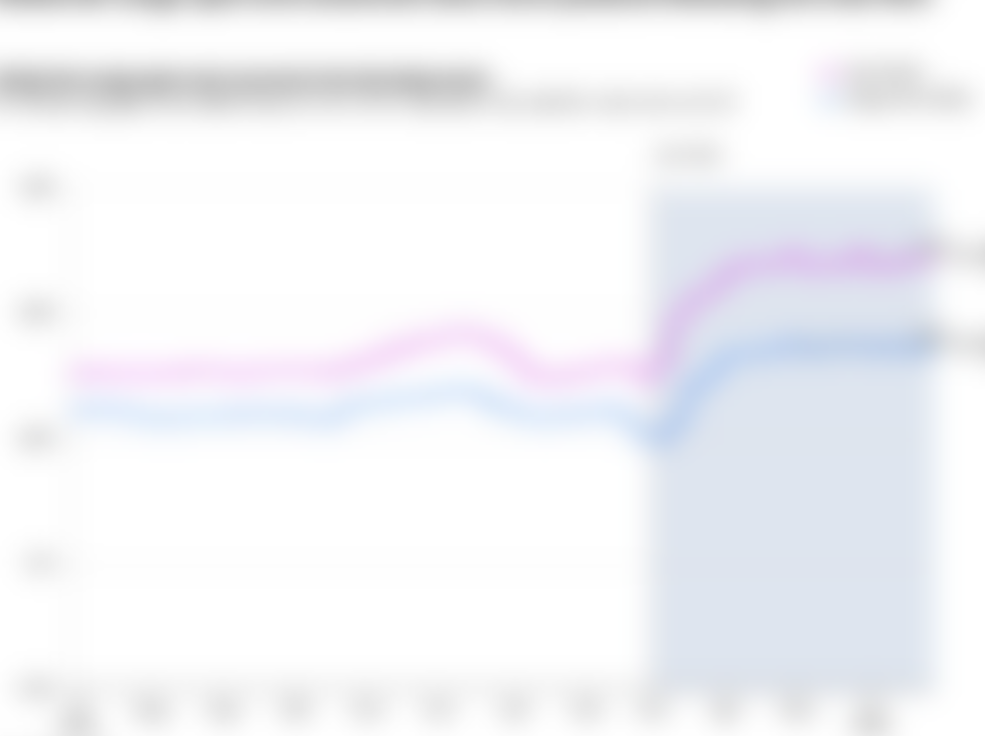
Spot rates also appear to be trending down after a late-May mini-peak, and the move towards a US-Iran peace deal could push them lower still. As the conflict eases, capacity around the Gulf air cargo hubs would recover fully and jet fuel prices fall back, both of which point to further spot rate declines. The northern hemisphere summer months tend to be a slack season for air freight; capacity is largely restored and rates typically lag the market by some weeks. The original directional call – and the deeper point that 2026 would be a structurally more uncertain market – may yet be vindicated in the second half of the year.
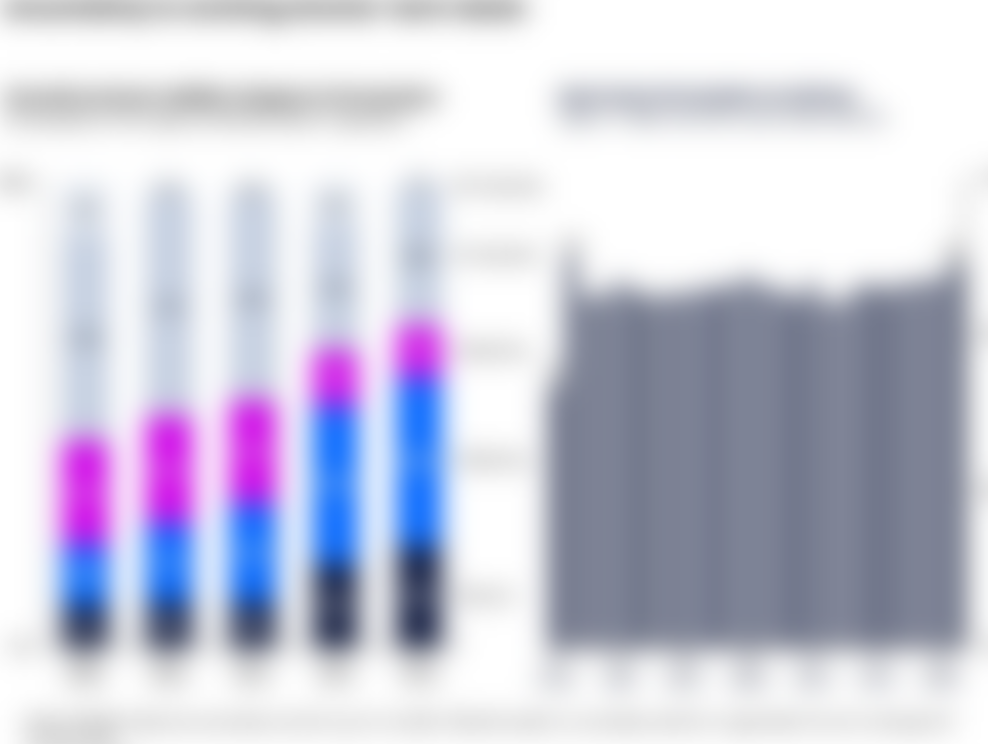
The Iran war has also disrupted long-term contracting. With capacity constrained around the Gulf hubs, forwarders have had to secure space and negotiate rates in the spot market. In Q2 2026, forwarders are procuring 49% of air freight volumes on the spot market, nearing their 50% levels during the pandemic high. The share of newly-agreed shipper and forwarder contracts valid for up to three months, meanwhile, rose to 58% in Q2 2026, double the 22% of a year earlier. For shippers, long-term contracts agreed earlier have been undermined by sharp rate increases, driven by a rapid shift in the market supply/demand balance and shift in market sentiment. Many are therefore postponing the negotiation of their 2026 contracts until conditions settle.
All in all, Xeneta now expects shipper long-term rates increase 5–10% year-on-year in 2026.
Geopolitical Wild Cards
The 2026 Air Outlook's most heavily hedged theme when published in December — geopolitical wildcards — has proved its most accurate. The risk dashboard was flashing red for good reason.
Xeneta Air Intelligence — June 2026Wild cards — geopolitical conflict, cyber-attacks, climate events and tariff escalation — will define the year. The risk dashboard is flashing red.
The wild card arrived within weeks. The Middle East conflict from 28 February has dominated the year. The on-off US tariff issue is also back in play.
US/Israel-Iran conflict escalated on 28 February and saw the withdrawal of around 12% of global air cargo capacity overnight, sharply raising jet fuel prices and contract rates pushed towards spot.
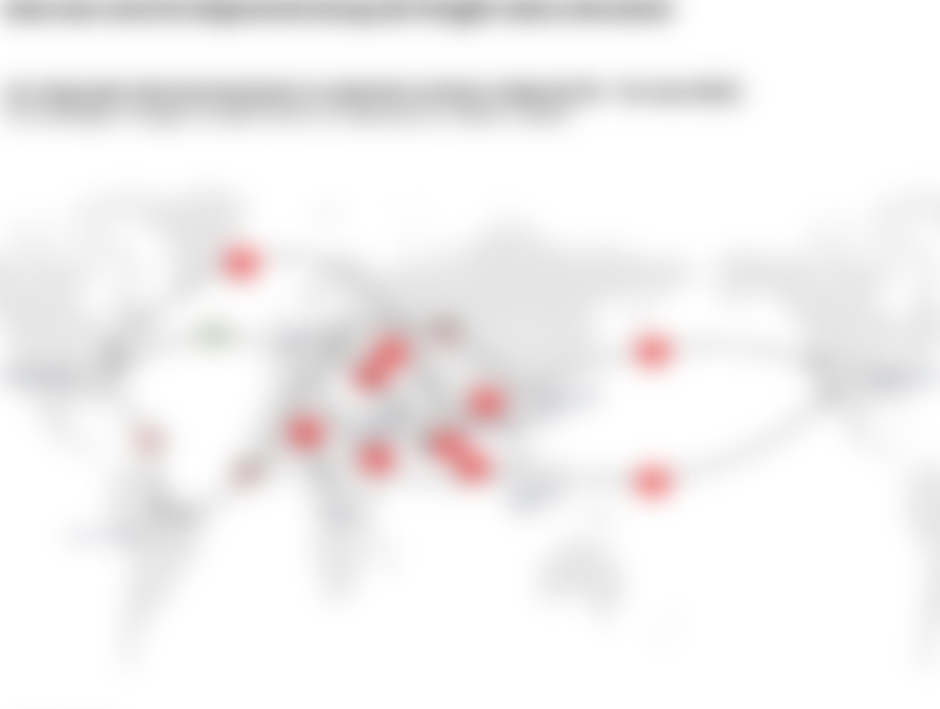
Three months on, the disruption still shapes air freight pricing. By late June, most Asia–Europe and Asia–Middle East corridors were still 40–90% above pre-conflict levels, but beginning to ease. With the US-Iran peace deal announced on 14 June, those elevated corridor levels could continue to ease as Gulf air cargo capacity recovers and jet fuel prices fall back.
The US tariff story has also reopened. After the US Supreme Court struck down the Administration's 'emergency' IEEPA tariffs in February, the White House has found a new legal route.
In early June, the US Trade Representative proposed an additional tariff of 10–12.5% on goods from 60 trading partners, including the EU and China, on the grounds that they have failed to introduce or properly enforce bans on forced-labour goods.
Brought under a Section 301 investigation rather than emergency powers, the measure remains a proposal ahead of hearings in early July, and the EU has called it unjustified.
As anticipated in December, the tariff card is being played repeatedly, by whatever legal means are to hand. The 2026 Air Outlook report's most heavily hedged theme when published in December – geopolitical wildcards – has proved its most accurate.
Air freight data
as it moves.
Xeneta's live spot and long-term rate benchmarking gives procurement teams the data they need to act on market shifts in real time — not weeks after the fact.
Ask us a question → Explore Xeneta Advisory →- Live spot and long-term air freight rate benchmarking across all major corridors
- Dynamic load factor tracking — understand true capacity utilisation in real time
- Trade lane analytics: origin-destination pricing and trend data
- E-commerce and vertical-specific rate intelligence
- Quarterly Outlook reports and mid-year updates from Xeneta analysts
- Integration with procurement and TMS workflows via API